
 The Standard Group Plc is a multi-media organization with investments in media
platforms spanning newspaper print
operations, television, radio broadcasting, digital and online services. The
Standard Group is recognized as a
leading multi-media house in Kenya with a key influence in matters of national
and international interest.

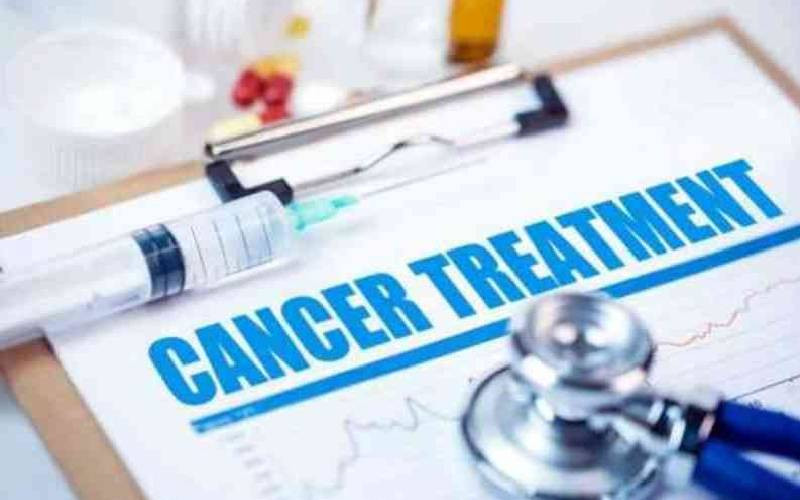
Cancer patients across Kenya are reportedly missing treatment, being turned away from hospitals and paying out of pocket for services covered by the Social Health Authority (SHA), amid complaints over changes to cancer treatment approvals and pricing.
“SHA can no longer cover the drug; the limit has reduced. So, I was forced to change drugs to another which is within the limit… after 6 cycles of treatment you have to stop to start a new line,” a breast cancer patient told the Kenyan Network of Cancer Organizations (KENCO), describing how the changes disrupted her treatment.
KENCO says the challenges have been reported in both public and private health facilities across several counties, raising concerns that the revised arrangements are disrupting ongoing treatment.
In a statement issued on Wednesday, November 25, KENCO said patients had experienced reduced drug limits, delays in digital authorisations, higher treatment costs and the exclusion of specialised diagnostic tests and scans.
The concerns come despite the recent enhancement of the oncology benefit by more than 40 per cent. SHA has maintained that the cancer benefit remains Sh800,000, comprising Sh400,000 under the Social Health Insurance Fund (SHIF) and another Sh400,000 under the Emergency, Chronic and Critical Illness Fund (ECCIF).
KENCO said it supports efforts to standardise treatment prices, align care with national cancer guidelines and protect public funds, but faulted the implementation of the changes, saying patients already undergoing treatment were not adequately protected.
Another patient said the restriction on billing at two different facilities on the same day meant they had to postpone treatment when one hospital could not provide all the prescribed medication.
- How I rose above seizures to build a digital brand
- Naivasha witnesses spike in ENT infections linked to flower farms
- MPs call for overhaul of cancer treatment access and funding
- Nairobi targets system gaps as late cancer diagnoses strain care capacity
Keep Reading
“If I don’t get all the meds from one facility and have to go buy at another, I have to wait until the following day… That means losing a day in between before treatment,” the patient said.
The organisation also cited cases of patients being asked to pay additional amounts despite SHA approvals. In one instance, a patient receiving Zoladex was approved Sh15,500 but was asked to pay a Sh14,585 top-up, after the drug's reported facility price stood at Sh24,585.
KENCO further reported that a family was raising about Sh47,000 every month to pay for two oral maintenance drugs for a patient who had exhausted the Sh800,000 benefit during chemotherapy.
The network warned that delays could worsen patients’ conditions, particularly where treatment schedules are interrupted, and called on the Ministry of Health and SHA to introduce safeguards for those already receiving care.
It wants the old and new approval systems to run concurrently until the revised arrangements stabilise, alongside same-day approvals for urgent cases and clear timelines for processing authorisations.
It has also called for a downtime procedure to ensure patients are not turned away or forced to pay when SHA’s digital system is unavailable.
The organisation wants SHA to publish clear information on approved tariffs, drug limits and diagnostic services covered, as well as explain how patient top-ups are calculated.
It further urged the authority to involve patient organisations in reviewing changes to the oncology benefit and regularly disclose data on rejected claims, approval delays and system downtime.
KENCO said the disruption echoed challenges experienced during the transition from the National Hospital Insurance Fund (NHIF) to SHA, arguing that lessons from that change should have informed the rollout of the revised cancer treatment arrangements.
The network, which brings together more than 70 cancer organisations, said the enhanced benefit would only make a difference if patients could access treatment when they needed it.
“Cancer does not wait for administrative processes; every day of delay risks progression of the disease,” the organisation said.







 join
