The Standard Group Plc is a multi-media organization with investments in media
platforms spanning newspaper print
operations, television, radio broadcasting, digital and online services. The
Standard Group is recognized as a
leading multi-media house in Kenya with a key influence in matters of national
and international interest.
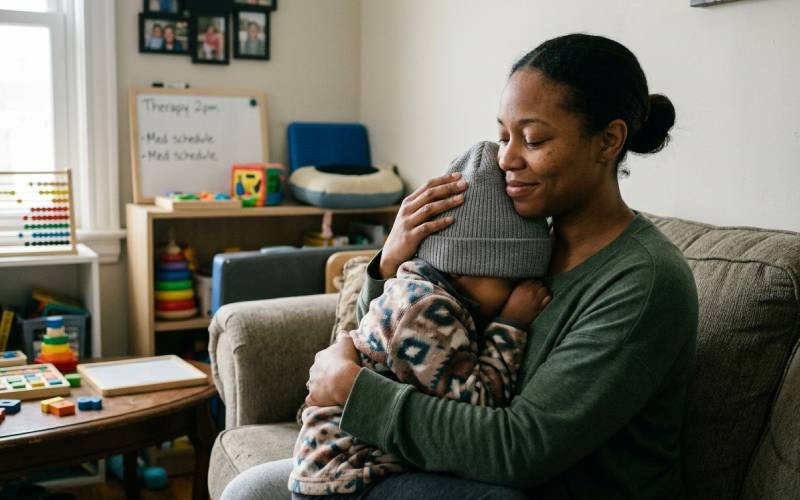
Beyond the first few weeks, breastfeeding offers health benefits that may last for years (Photo: Gemini)
Breastfeeding is often described as the best gift a mother can give her baby. It provides ideal nutrition, strengthens the baby’s immune system, and fosters an emotional bond between mother and child.
However, while much of the conversation centres on the infant, experts say that breastfeeding also offers remarkable benefits for mothers, supporting immediate postpartum recovery and long-term health.
The weeks after childbirth are a period of intense physical and emotional adjustment. A woman’s body is healing from pregnancy and childbirth while she adapts to caring for a newborn baby. During this time, breastfeeding can play a significant role in recovery.
According to Dr Josphine Omwoyo, when a baby suckles, the mother’s body releases oxytocin, often referred to as the ‘love hormone’.
Oxytocin stimulates the uterus to contract, helping it return to its pre-pregnancy size more quickly while reducing postpartum bleeding.
These uterine contractions, sometimes called afterpains, may be uncomfortable, particularly for mothers who have had more than one child. However, they are a normal part of healing and help lower the risk of excessive blood loss after delivery.
Breastfeeding also encourages the release of prolactin, the hormone responsible for milk production. Together, prolactin and oxytocin not only support breastfeeding but also promote relaxation and strengthen the emotional connection between mother and baby.
Many women wonder whether breastfeeding helps them lose pregnancy weight. The answer is not always straightforward.
Producing breast milk requires additional energy, with breastfeeding mothers burning hundreds of extra calories each day; however, experts caution against expecting rapid weight loss.
“A mother’s priority should be nourishing herself adequately to support recovery and milk production; healthy eating, staying hydrated and getting enough rest are more important than trying to lose weight immediately after giving birth.”
Beyond the first few weeks, breastfeeding offers health benefits that may last for years. Research has consistently shown that women who breastfeed have a lower risk of developing breast and ovarian cancers.
Longer durations of breastfeeding have also been associated with a reduced risk of type 2 diabetes, high blood pressure and cardiovascular disease.
These long-term benefits are especially important in a time when non-communicable diseases are on the rise among women. Breastfeeding can also influence emotional wellbeing.
While the hormones released during breastfeeding may help some mothers feel calmer and more connected to their babies, breastfeeding itself is not a guaranteed protection against postpartum depression.
Mental health specialists emphasise that mothers experiencing persistent sadness, anxiety, hopelessness or difficulty bonding with their baby should seek professional support regardless of whether they are breastfeeding. Recovery after childbirth is rarely without challenges.
Many mothers experience sore nipples, breast engorgement, blocked milk ducts or mastitis during the early weeks. Others struggle with latching difficulties, particularly if their baby was born prematurely or has conditions such as tongue-tie.
For mothers who deliver through Caesarean section, initiating breastfeeding may feel more difficult because of pain around the surgical wound. However, lactation consultants say successful breastfeeding is still possible with proper positioning, pain management and early support from healthcare providers.
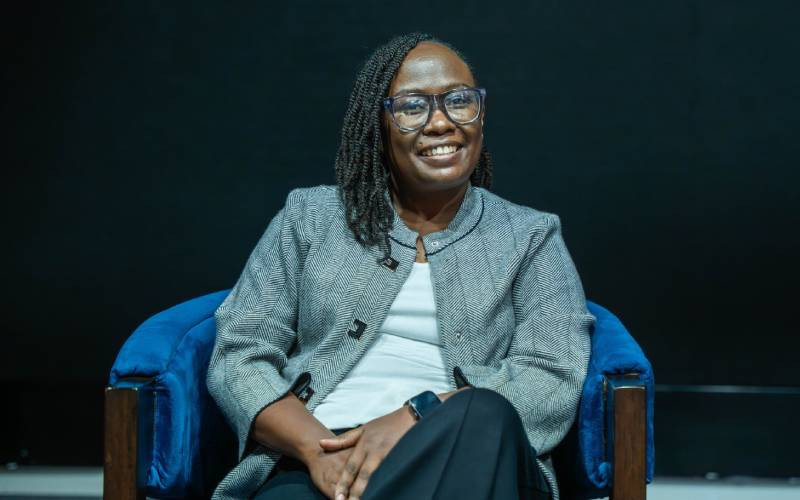
Lavender, a third-time mom and nurse at Malkia Wings, encourages women to breastfeed their newborn baby within the first hours of birth
‘’ The first milk, called colostrum, is a thick yellowish fluid rich in antibodies, proteins, and white blood cells that acts as a newborn’s first powerful immune defence. It is packed with antibodies like immunoglobulin A (IgA) that protects against bacteria and viruses.
It also acts as a digestive coating whereby it coats the baby’s nose, throat, and intestines to stop harmful germs from growing beyond the first milk. The first stool acts as a natural laxative to help the baby pass meconium, which is the first stool.
Experts stress that family members also play an important role in a mother’s recovery. Partners can assist by preparing meals, helping with household chores, ensuring the mother stays hydrated and offering emotional reassurance during difficult moments.
Postpartum recovery is about more than healing physically. It is about helping mothers regain strength, confidence and emotional wellbeing as they adjust to a new chapter of life.
As the world marks Breastfeeding Week 2026 under the theme. “Breastfeeding for a sustainable start in life: strengthen what works. Breastfeeding may not always be easy, and every mother’s journey is different.
Some women breastfeed exclusively, others combine breastfeeding with formula, while some are unable to breastfeed for medical reasons.
When mothers are supported, breastfeeding becomes more than a way to nourish a baby; it becomes part of the mother’s own healing journey, offering benefits that extend well beyond the newborn months.



 The Standard Group Plc is a multi-media organization with investments in media
platforms spanning newspaper print
operations, television, radio broadcasting, digital and online services. The
Standard Group is recognized as a
leading multi-media house in Kenya with a key influence in matters of national
and international interest.
The Standard Group Plc is a multi-media organization with investments in media
platforms spanning newspaper print
operations, television, radio broadcasting, digital and online services. The
Standard Group is recognized as a
leading multi-media house in Kenya with a key influence in matters of national
and international interest.









 join
join