
 The Standard Group Plc is a multi-media organization with investments in media
platforms spanning newspaper print
operations, television, radio broadcasting, digital and online services. The
Standard Group is recognized as a
leading multi-media house in Kenya with a key influence in matters of national
and international interest.
The Standard Group Plc is a multi-media organization with investments in media
platforms spanning newspaper print
operations, television, radio broadcasting, digital and online services. The
Standard Group is recognized as a
leading multi-media house in Kenya with a key influence in matters of national
and international interest.

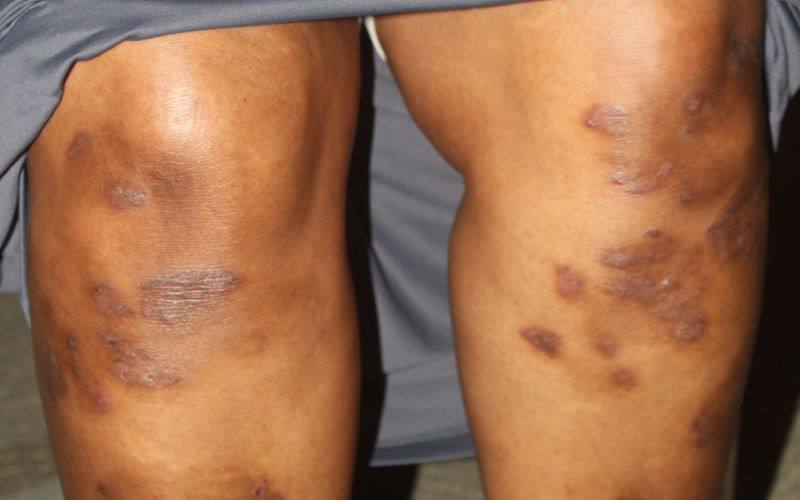
For many people, psoriasis is understood as a skin condition marked by itchy, flaky or inflamed patches. However, doctors warn that the disease can extend far beyond the skin.
One of the most serious related conditions is psoriatic arthritis, a chronic inflammatory disease that affects the joints and can lead to long-term disability if left untreated.
Dr Etau Ekwom, a rheumatologist, says the condition changes how psoriasis should be understood entirely. “This demonstrates that it is a systemic disease,” he said. “It comes with other symptoms that include arthritis, eye disease, such as uveitis, and gut involvement, such as inflammatory bowel disease.”
According to the International Federation of Psoriasis Associations (IFPA), psoriatic arthritis affects nearly one in three people living with psoriasis globally. Dr Ekwom estimates that about 20 per cent of psoriasis patients develop the condition, although many remain undiagnosed for years.
The World Health Organisation (WHO) recognises psoriasis as a serious chronic non-communicable disease linked to other health complications, including cardiovascular disease, obesity, hypertension and mental health conditions.
Psoriatic arthritis occurs when the immune system mistakenly attacks healthy joints and tissues, leading to inflammation. The condition can affect the fingers, knees, feet, spine and lower back.
Doctors describe psoriatic arthritis as part of the wider “psoriatic disease” spectrum rather than a completely separate illness. In many patients, psoriasis appears first before joint symptoms develop later. In others, both conditions appear at the same time.
Although most people diagnosed with psoriatic arthritis already have psoriasis, specialists say some patients develop joint symptoms before visible skin signs appear. In some cases, psoriasis may remain mild or hidden in areas, such as the scalp, nails or behind the ears, making diagnosis more difficult.
- Psoriasis: The skin condition Kenya's health system continues to ignore
- Scabies outbreak plagues Naivasha prison as number of inmates hits new high
Keep Reading
According to IFPA, nearly 15 per cent of patients with psoriatic arthritis develop joint symptoms before psoriasis is formally recognised.
Some of the early warning signs are often overlooked. “Joint pains, stiffness, difficulty carrying out normal functions and back pain, especially nocturnal back pain associated with stiffness and buttock pain, are some of the symptoms patients and clinicians should pay attention to,” Dr Ekwom said.
The condition is often diagnosed late because many patients and even healthcare workers fail to connect joint symptoms to psoriasis. Without treatment, psoriatic arthritis can permanently damage joints. “It may lead to deformity and possibly disability,” he warned.
Treatment focuses on reducing inflammation, slowing joint damage and improving quality of life. Management may include anti-inflammatory drugs, biologic therapies, physiotherapy, weight management and lifestyle adjustments.
Risk factors include severe psoriasis, obesity, family history and delayed diagnosis. Mental health conditions such as anxiety and depression are also more common among patients living with chronic inflammatory diseases.
In Kenya and across Africa, specialists say major barriers include low awareness, delayed diagnosis and the high cost of treatment.












 join
join