×

The Standard e-Paper
Smart Minds Choose Us
 The Standard Group Plc is a
multi-media organization with investments in media platforms spanning newspaper
print operations, television, radio broadcasting, digital and online services. The
Standard Group is recognized as a leading multi-media house in Kenya with a key
influence in matters of national and international interest.

Audio By Vocalize
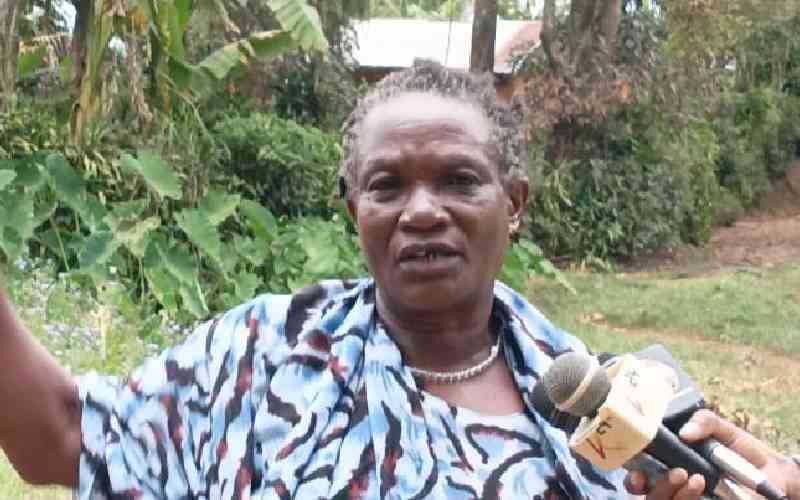
For Margaret Asani of Shibale village in Mumias West Constituency, warnings of looming El Nino rains have revived painful memories of the 2023-2024 floods that swept away her three-bedroom mud-walled house and destroyed her belongings.
Although she received weather alerts through local radio stations and village administrators, Asani says she lacked the money and means to evacuate in time or salvage her property and livestock.
When the floods struck, she sought refuge at Shibale Comprehensive School alongside other displaced families, relying on assistance from the national and county governments to survive the disaster.
The Kakamega County Government later constructed another house for her in the same area. But with heavy rains raising water levels along River Nzoia, she fears history could repeat itself.
“We received warnings from a local radio station about a week before the rains intensified. A few days later, village elders visited us and advised us to move to Shibale Comprehensive School. But the school could not accommodate all the households,” she says.
Asani, 62, says the warnings did little to protect her family because she lacked the capacity to act on them.
“I lost most of my property and livestock to the floods. Despite receiving the forecast, I could do very little to save what I had. We later joined other families at the school, where the national and county governments came to our rescue,” she says.
The mother of four says little has changed despite the approaching rainy season, with residents yet to receive clear guidance on evacuation arrangements and alternative shelters.
“We are worried because we have not seen tangible measures on the ground. The water levels are rising, yet we live along River Nzoia. We have only been told to be careful and move to safer places,” she says.
“But where are we supposed to go? Shibale Comprehensive School is now being used for national examinations, and we have been told schools should not be used as rescue centres. We are confused and feel abandoned.”
Asani says she has sent her children to relatives living in relatively safer areas to reduce their exposure should the situation deteriorate.
Her neighbour, Teresa Owuor, knows the devastating cost of waiting for floodwaters to rise.
Stay informed. Subscribe to our newsletter
The mother of seven says floods destroyed or damaged her home four times during the 2023-2024 rainy season, repeatedly wiping out the little property her family had accumulated.
The mud-walled house she occupies today was built with assistance from the county government after the disasters. However, persistent rainfall has softened the ground around her home, raising fears that the structure could collapse before she has time to evacuate.
“My house has been affected four times. Even this house was constructed with help from the county government. I am worried that if the rains come and sweep it away, what will I do?” she asks.
With farms waterlogged and planting increasingly difficult, Owuor says her family has few options for sustaining itself.
“I have no property left. Everything was taken by the floods. I planted this banana here because I know that when the rains return, we shall have to evacuate,” she says.
A community meeting at Shibale Catholic Church brought further warnings from the area chief, assistant chief and village elders, who urged residents to identify safer places before the rains intensify.
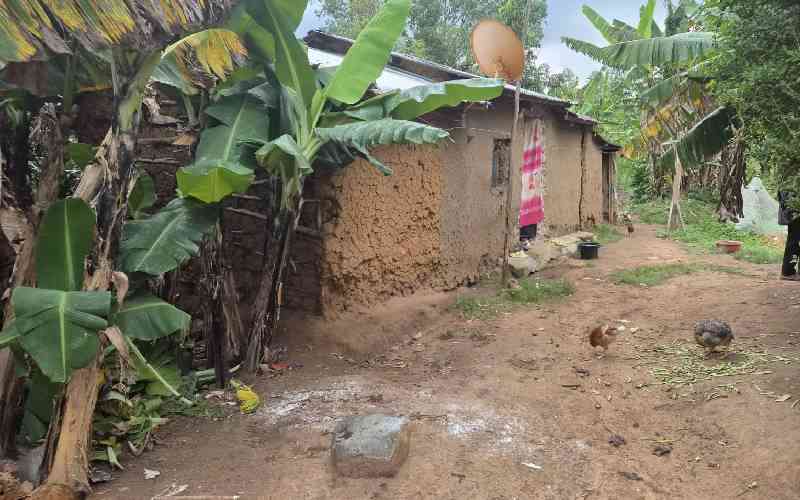
But Owuor says advice without financial and logistical support leaves vulnerable families with little room to act.
“We have been told to move to safer places, but we have nowhere to go. I have no money to transport my belongings. I have taken some of my few possessions and children to relatives in safer areas so that I can deal with the situation when disaster strikes,” she says.
The danger in Shibale extends beyond flooding. Residents say rising waters drive hippos and snakes from River Nzoia into farms and homes, threatening livestock, destroying crops and putting children at risk.
Asani says women, children and older people are particularly vulnerable, with some residents avoiding movement outdoors from about 5pm because of encounters with the animals.
Displacement also brings the risk of malaria, diarrhoeal diseases and other illnesses as families crowd into temporary shelters with inadequate sanitation and limited access to essential services.
“We move towards Nambo and other areas, but there we suffer from malaria. Children also develop diarrhoea and have to be taken to hospital. Every year we face the same problem. We are tired and do not know where to go,” another resident says.
The concerns extend to neighbouring Busia County, where communities along River Sio and its tributaries face flooding risks. Vulnerable areas include parts of Samia and Busia Central, as well as Malaba South in Teso North, where the Malaba and Malakisi rivers pose additional threats.
Odiria village in Chakol North, Teso South, is also susceptible to flash floods along streams, while communities in Bunyala South, Bunyala Central and Bunyala North remain exposed because of their location on the River Nzoia floodplain.
In Vihiga County, residents of Chango village in Sabatia Constituency fear landslides and mudslides associated with heavy rainfall on the Maragoli Hills.
James Akidiva says mudslides destroyed his house two years ago, forcing him to depend on well-wishers for assistance.
“Two years ago, mudslides destroyed my house, and a good Samaritan helped me. This time, despite repeated warnings through radio and television, we still have nowhere else to go. We have started experiencing heavy rains, but the county government has remained silent,” he says.
Akidiva says he has taken some of his younger children to their grandmother's home in a relatively safer area.
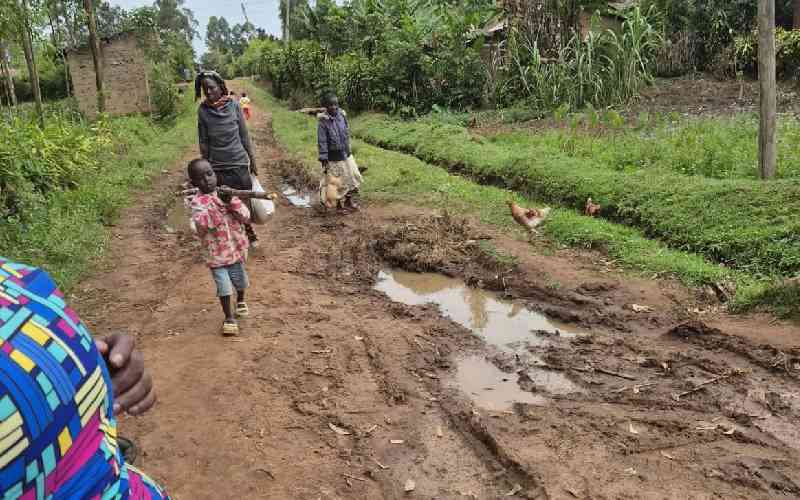
Beyond evacuation concerns, residents are questioning the state of local infrastructure. John Avisa says blocked drainage channels along the Mumias-Kakamega and Kakamega-Webuye roads cause water to stagnate on roads and spill into markets and neighbouring homes.
He says the situation raises concerns about whether authorities are addressing preventable risks before the onset of severe weather.
“We heard that the Kakamega County Government had formed a response committee with adequate resources, but we are seeing nothing happening. Our drainage systems are blocked, and when it rains, water stagnates on roads and spills into markets and nearby homes,” Avisa says.
Kakamega Governor Fernandes Barasa, however, says the county has put measures in place to protect people living in flood-prone areas and is working with the national government to respond to the expected rains.
“We have put in place adequate measures to protect our people from the effects of the El Niño rains. Those living in flood-prone areas, especially along rivers, should remain vigilant and move to safer areas as advised by our emergency response teams,” he says.
Barasa says the county is working with the national government to provide food, medical assistance, mosquito nets and other essential supplies to affected families. He adds that resources, officers and equipment have been deployed for emergency response.
The governor has also urged artisanal miners in Ikolomani, Shinyalu and Lurambi to suspend mining temporarily, warning that heavy rainfall could destabilise mine walls and tunnels, causing injuries and deaths.
Kakamega County Director of Meteorological Services Vincent Sakwa has urged residents in riverine and hilly areas to follow weather advisories to minimise loss of life and property.







Subscribe to our newsletter and stay updated on the latest developments and special offers!