×

The Standard e-Paper
Kenya’s Boldest Voice
 The Standard Group Plc is a
multi-media organization with investments in media platforms spanning newspaper
print operations, television, radio broadcasting, digital and online services. The
Standard Group is recognized as a leading multi-media house in Kenya with a key
influence in matters of national and international interest.

Audio By Vocalize
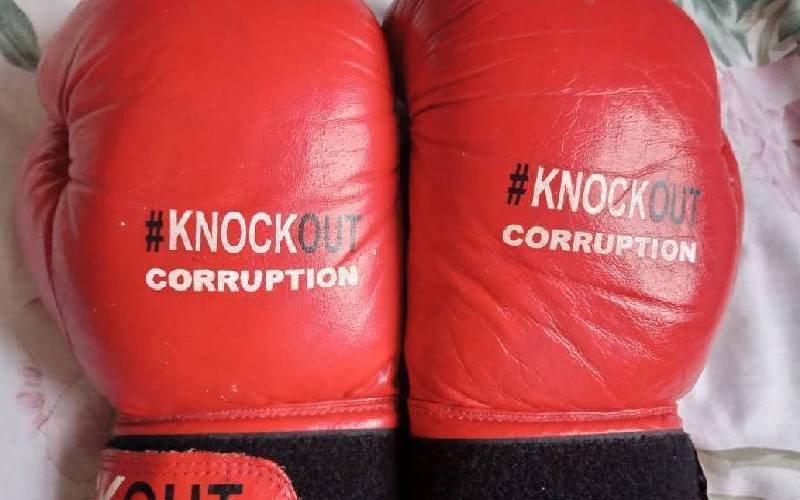
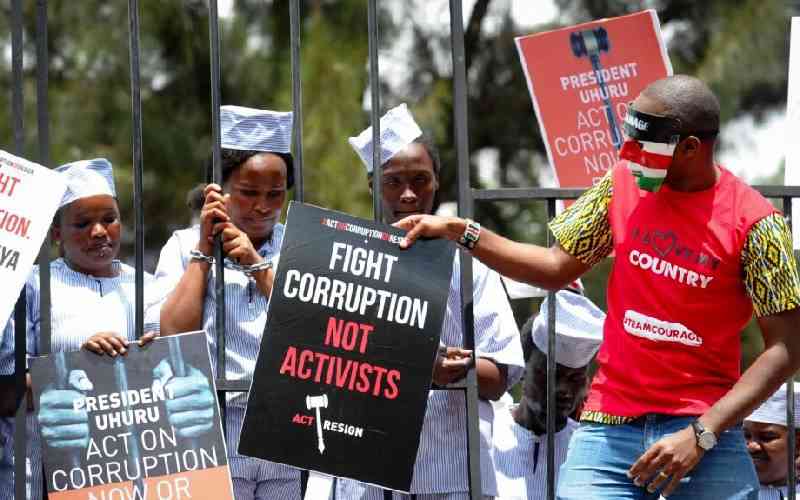
There comes a time in the life of a nation when silence becomes difficult to distinguish from complicity. A time when patriotism demands more than waving the national flag, singing the national anthem or defending political leaders. It demands the courage to confront uncomfortable truths about how our country is governed, how public resources are managed and how the future of generations yet unborn is being compromised.
For me, that moment has been reinforced by the extraordinary investigative work of John-Allan Namu and his team at Africa Uncensored.
Their latest documentary, Beg, Borrow, Steal: Kenya's Budgeted Corruption and The China Connection, raises disturbing questions about the relationship between public borrowing, infrastructure development, corruption and money laundering. Drawing on whistleblower testimony, banking records and tax investigations, the documentary alleges the existence of financial networks through which public resources intended for development have been diverted.
These are serious allegations requiring independent investigation, fair hearings and, wherever sufficient evidence exists, prosecution. But they cannot simply be dismissed as another passing media controversy.
Namu and his colleagues deserve recognition for doing what public institutions should already be doing: following the money, interrogating suspicious transactions and demanding accountability from those entrusted with public resources.
Yet what troubles me most is not merely the magnitude of the alleged financial misconduct. It is the possibility that corruption has evolved beyond isolated acts of individual dishonesty into sophisticated networks involving commercial interests, financial intermediaries, public institutions and transnational transactions.
This is where corruption ceases to be merely an ethical problem and becomes a question of national security, economic sovereignty and intergenerational justice.
How did we arrive at a point where a country borrows billions in the name of development, yet must still struggle to establish whether every borrowed shilling delivered the public value for which it was intended?
According to the National Treasury's August 2026 debt figures, Kenya's public debt stood at approximately Sh13.47 trillion. Behind that figure are obligations that taxpayers must honour through present and future national budgets.
Borrowing itself is not inherently wrong. Countries borrow to build infrastructure, strengthen productive capacity, expand essential services and stimulate economic development. Responsible borrowing can transform a nation.
The tragedy begins when public borrowing becomes vulnerable to corruption, inflated contracts, fictitious suppliers, questionable payments and the laundering of proceeds through complex financial arrangements.
In such circumstances, citizens may end up paying for projects that were never fully delivered or whose costs cannot be adequately justified.
A young graduate searching desperately for employment does not understand why a country carrying enormous debt cannot create sufficient opportunities. A mother struggling to purchase medicine for her child does not understand why public hospitals remain inadequately equipped. A farmer waiting for better roads, markets and irrigation facilities cannot understand why public expenditure so often fails to translate into meaningful improvements in everyday life.
And yet, somewhere within the national financial system, questions continue to emerge about enormous transactions whose ultimate beneficiaries may remain concealed.
This is the human face of corruption. It is not simply money disappearing from public accounts. It is opportunity denied, dignity eroded and development postponed.
Stay informed. Subscribe to our newsletter
The World Bank's November 2026 assessment estimated that corruption and collusion contribute to additional fiscal deficits equivalent to approximately 2pc of Kenya's GDP annually. That finding should concern every policymaker, economist and citizen.
It demonstrates why the corruption debate cannot be separated from our national debt crisis. Governance failures can increase borrowing requirements, undermine investor confidence and raise the cost of financing development.
We cannot continue discussing debt sustainability exclusively through taxation, austerity, expenditure cuts and loan restructuring while giving insufficient attention to the integrity of the expenditure that created those obligations.
Before demanding further sacrifices from ordinary Kenyans, public authorities must demonstrate that existing resources are protected and that past borrowing has been subjected to credible scrutiny.
The question should no longer be limited to how much Kenya owes.
We must also ask: What did we borrow for? Who received the money? What was delivered? Who benefited? And who should be held responsible where public funds were unlawfully diverted?
Equally disturbing is the money-laundering dimension.
Kenya has made acknowledged progress in strengthening its anti-money-laundering framework. However, the Financial Action Task Force's October 2026 assessment still called for stronger action on corporate transparency and an increase in money-laundering investigations and prosecutions consistent with the country's risks.
This distinction matters. Enacting laws, establishing institutions and filing compliance reports are important, but their ultimate value lies in their ability to detect financial crime, secure evidence, recover illicit assets and hold offenders accountable.
A country cannot claim meaningful progress merely because its regulatory framework appears satisfactory on paper while significant allegations of financial misconduct remain unresolved.
Where do we go from here?
First, the revelations presented by Africa Uncensored should trigger a credible, independent and time-bound investigation involving the relevant anti-corruption, criminal investigation, financial intelligence, tax and prosecution authorities. These institutions must examine the documentary's allegations against primary evidence, including contracts, invoices, banking records, tax assessments and beneficial ownership information.
The investigation must be conducted without political interference and with full respect for due process. No individual or company should be presumed guilty merely because they have been named in an investigation. Equally, influence, wealth or political connections must never become shields against legitimate scrutiny.
Second, Kenya urgently needs a comprehensive forensic review of major debt-financed infrastructure projects, prioritising those already associated with credible audit findings or documented irregularities. Such an exercise must establish whether procurement procedures were followed, whether contract variations were justified, whether payments corresponded to verified work and whether the public received value for money.
Third, we must confront the financial networks that facilitate the concealment and movement of illicit proceeds. Banks, professional intermediaries and companies must be subject to effective risk-based oversight. Where evidence justifies it, investigators should pursue international cooperation to trace, freeze and recover assets held across borders.
The responsibility of foreign contractors and lenders must also be scrutinised where credible evidence warrants it. Accountability should be based on contractual obligations and proven conduct, not nationality.
Fourth, Parliament must exercise its constitutional oversight mandate with greater seriousness. Public borrowing should be accompanied by accessible information on loan terms, project costs, implementation progress, repayment obligations and independent audit findings, subject only to lawful and justified confidentiality.
Fifth, Kenya must strengthen protection for whistleblowers and investigative journalists. Individuals who expose suspected wrongdoing should not have to fear intimidation or violence for bringing matters of public interest to light. Their safety is fundamental to the functioning of a democratic society.
Finally, there must be consequences. Where wrongdoing is established through lawful processes, Kenya must pursue effective prosecution, recovery of stolen assets, appropriate sanctions and debarment from public contracting where the law permits.
But accountability cannot end with punishment. We must redesign public financial management systems to make corruption more difficult to commit, easier to detect and harder to conceal.
The deeper question of national conscience
I have often wondered why a country so abundantly endowed with human talent, enterprise, agricultural potential and natural resources continues to struggle with challenges that effective governance should progressively resolve.
We have brilliant economists, competent auditors, capable investigators, distinguished legal professionals and an increasingly informed citizenry. Our Constitution provides an extensive framework for public accountability.
What we require is consistent institutional independence, credible enforcement and a public service culture that places national interest above private accumulation.
We must also reject the social glorification of unexplained wealth. A society that celebrates extravagant lifestyles without questioning the legitimacy of the resources behind them weakens its own moral foundations.
This is not a challenge belonging exclusively to one administration, political party or generation of leaders. It concerns successive governments, institutions, businesses and a society that must decide what standards of public conduct it is prepared to demand and uphold.
John-Allan Namu has done his part by placing serious allegations and supporting material before the public. The responsibility now rests with investigative agencies, oversight institutions, Parliament, the justice system and citizens to ensure that those allegations receive credible examination rather than disappearing beneath the next political controversy.
My beloved Kenya, how long shall we continue borrowing for development while struggling to account for the resources already entrusted to us?
How long shall ordinary citizens be asked to tighten their belts while questions surrounding substantial public expenditures remain unanswered?
How long shall our children inherit repayment obligations without receiving the full benefits of the investments those debts were meant to finance?
I still believe in this country. I believe in the dignity, resilience and ingenuity of its people. I believe that public institutions can serve the common good and that accountable leadership can restore confidence in government.
But love for one's country should never require silence in the face of injustice or indifference to the misuse of public resources.
Patriotism is not defending corruption because it is associated with people we support. Patriotism is defending the republic from corruption, regardless of who may be involved.
The greatest tribute we can pay to future generations is not another promise of prosperity financed by increasingly expensive borrowing. It is to build a nation where every public shilling is accounted for, every legitimate investment serves its intended purpose and every person entrusted with public authority understands that public resources are a sacred responsibility.
Kenya does not lack the potential to prosper. Its future depends, in significant part, on how honestly and effectively it governs the resources it already has.
Why, my beloved country, must we continue paying the price of failures we have the institutions, laws and collective capacity to confront?
The time for accountability is not tomorrow. It is now.
The writer is a governance, security and public policy analyst. lluchetu@gmail.com.

Subscribe to our newsletter and stay updated on the latest developments and special offers!